B.O.R
B.O.R
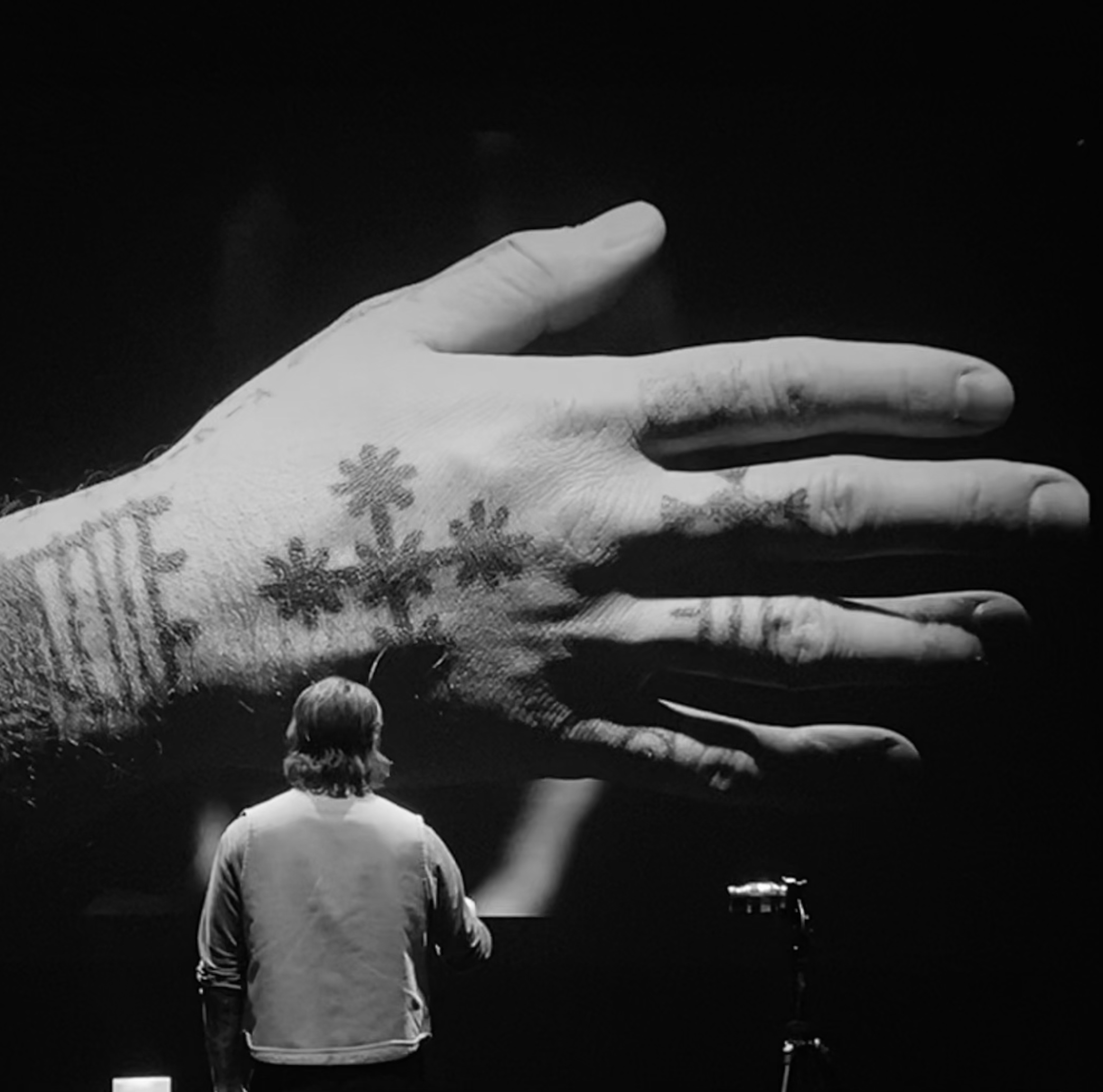
Body of Reverbs (B.O.R.) is a performance practice that works with the living body as a source of sound, image, and transmission rather than as representation. Developed across theatres, galleries, churches, and non-traditional spaces, their work examines how bodily presence is translated, mediated, and dispersed across different forms.
Central to B.O.R.’s practice is the use of sustained contact, vibration, and tracing actions derived from tattooing and related processes. These actions do not function as spectacle, but as methods for activating the body as a site of translation. Sound, image, and gesture emerge directly from physical contact, producing work that unfolds in real time and resists repetition.
DISSECTION / DISSOLUTION
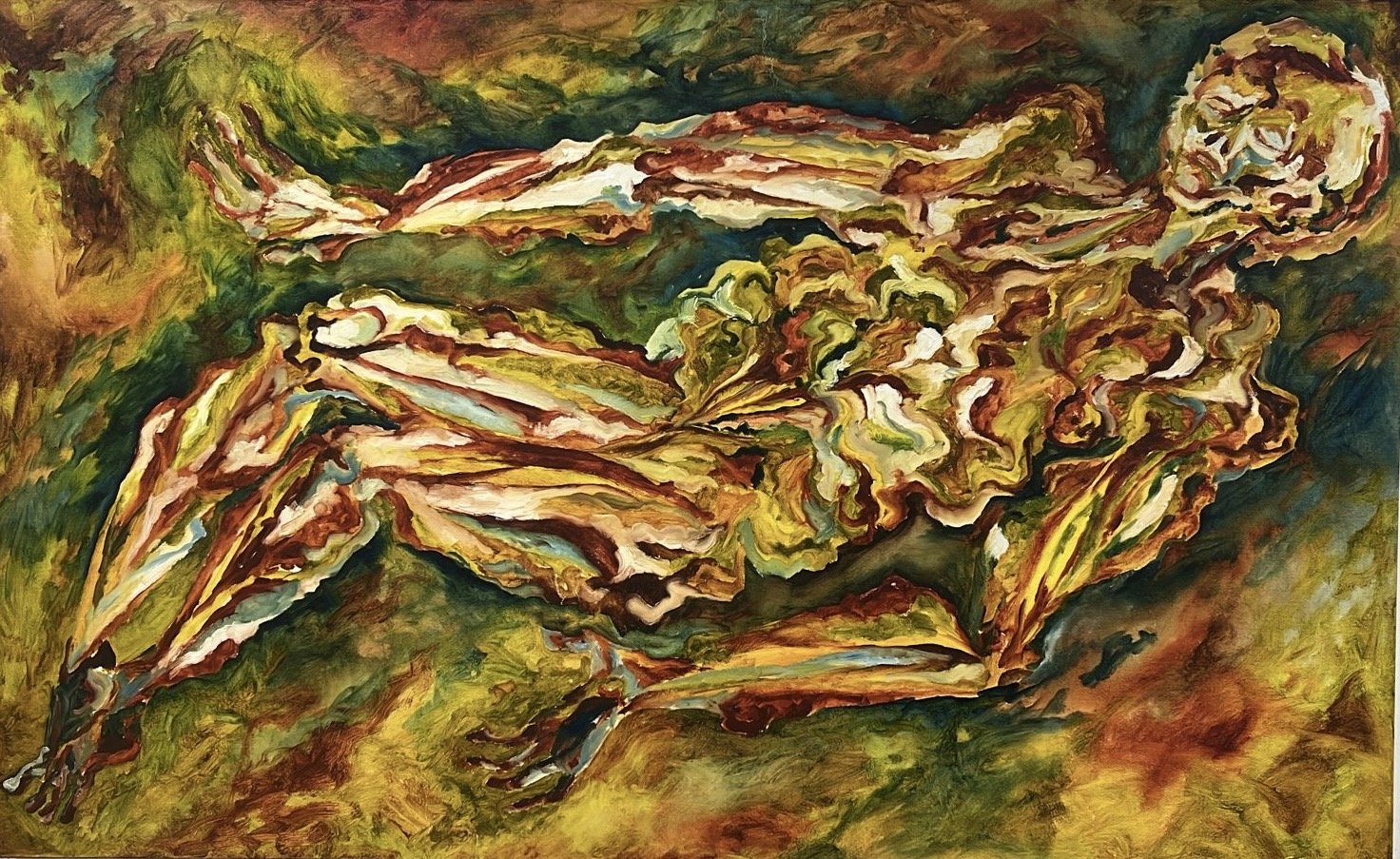
Dissection / Dissolution is a new performance by Body of Reverbs that examines how a living human body becomes representation, and how that representation gradually dissolves into myth bor 2026 jjhall.
The work draws a parallel between anatomical dissection and the historical construction of saints: both involve opening the body in order to preserve it, translate it, and circulate it beyond itself. In this performance, dissection is not understood as exposure of interior flesh, but as a ceremonial and theoretical act — a way of opening the body as a field of transmission.
Actions derived from tattooing — tracing, vibration, sustained contact — are used to activate the body. Once opened, the body begins to disperse across layers of mediation. Sound, video, painting, and gesture receive and deform its presence, producing distance, noise, and abstraction. What begins as a singular physical source gradually exits itself, becoming trace, echo, and residue.
As the performance unfolds, the body is never fully present. Like the bodies of saints, it exists through fragments: images, sounds, surfaces, and stories. Representation does not preserve the body intact, but transforms it into something collective and symbolic. Myth emerges not from truth, but from repetition, transmission, and belief.
The audience is positioned as a witnessing body within this process. Presence, attention, and duration are integral to the work, which unfolds without narrative closure. Dissolution is not treated as failure, but as condition. What remains is not a finished image, but a dispersed experience carried across bodies and memory.