Abul Mogard
Abul Mogard
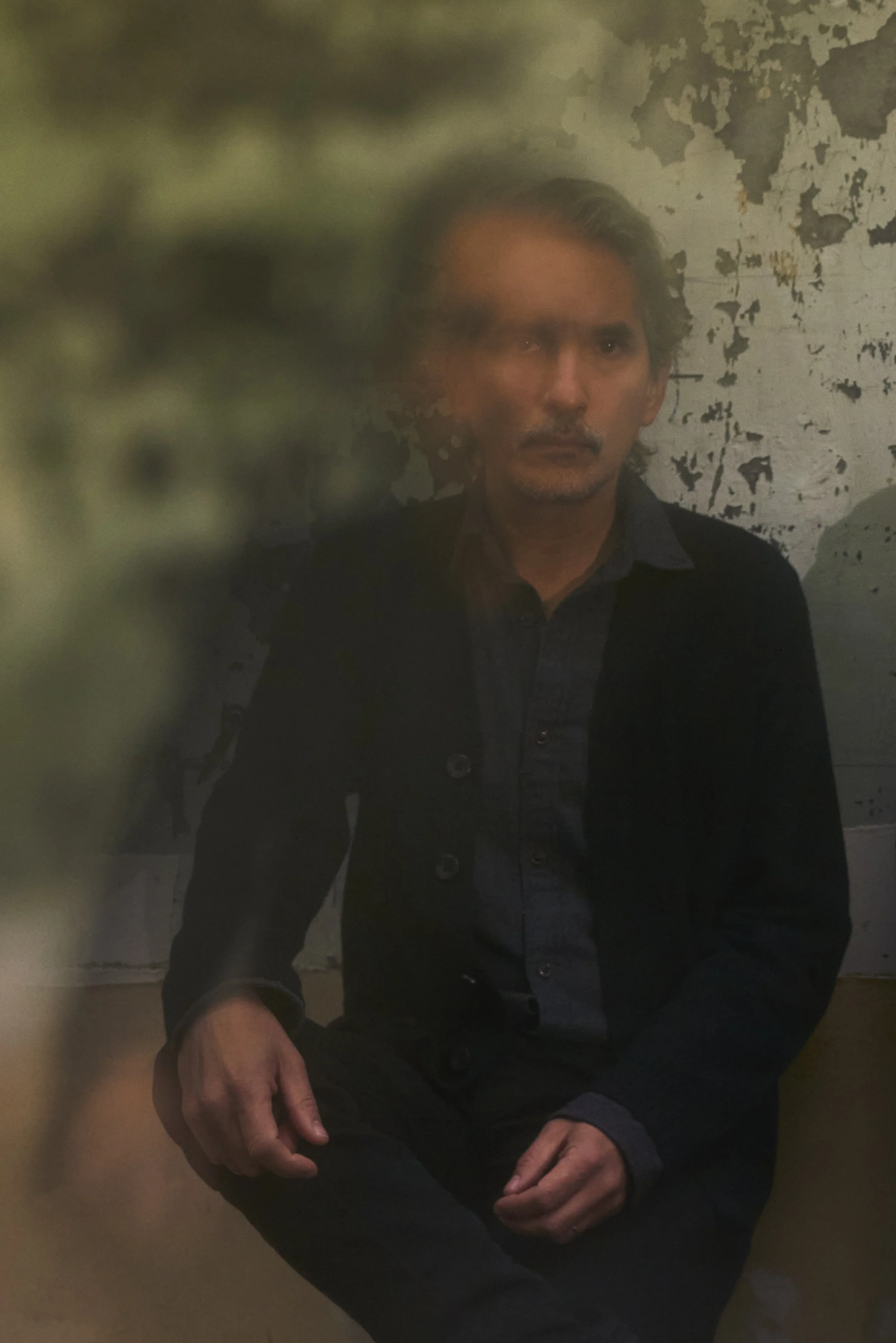
Abul Mogard is the alias of Italian musician Guido Zen, noted for evocative albums and immersive live shows built on synthesisers and analogue/digital processing. He’s performed at Berlin Atonal, Poesia en Voz Alta (Mexico City), Centre Pompidou, Condeduque (Madrid), Auditorium San Fedele (Milan), Le Guess Who, Mutek and the Southbank Centre.
Commissioned by Organ Reframed, he wrote a piece for pipe organ, electronics and trombones performed at Union Chapel with the London Contemporary Orchestra. He’s played with the 70-piece Deutsches Symphonie Orchester Berlin, orchestrated by Sven Helbig and conducted by Daniel Bjarnasson.
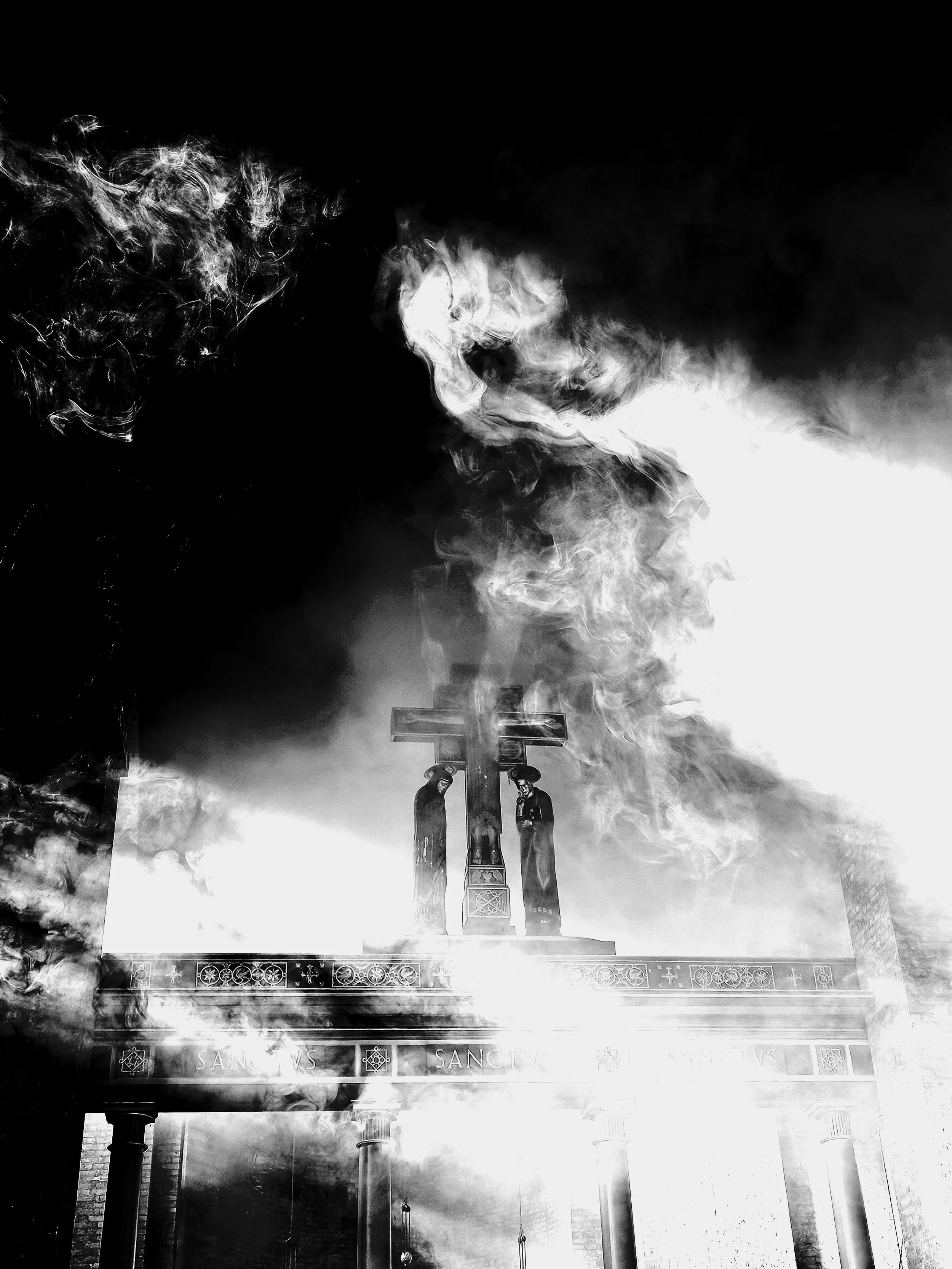
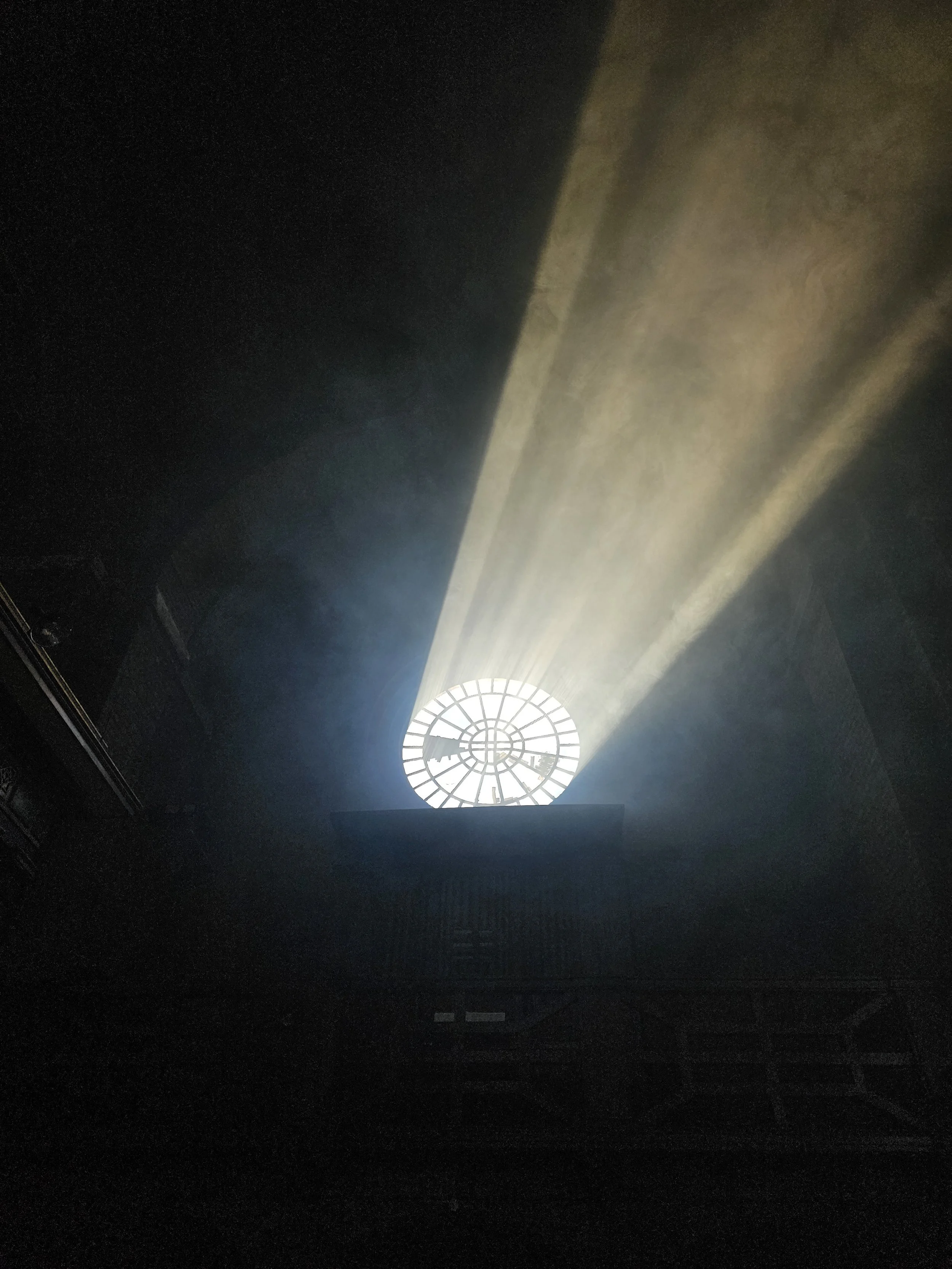
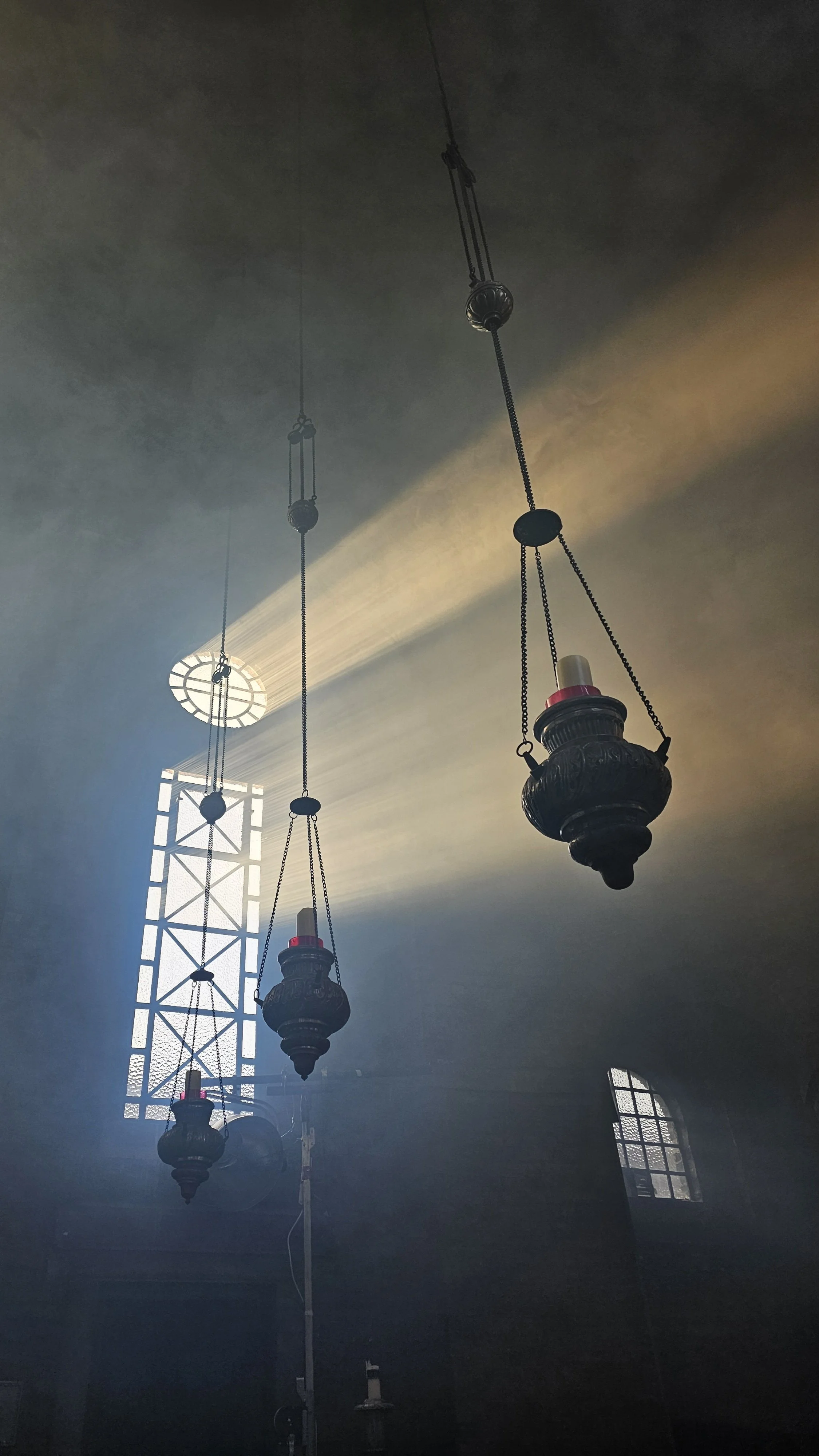
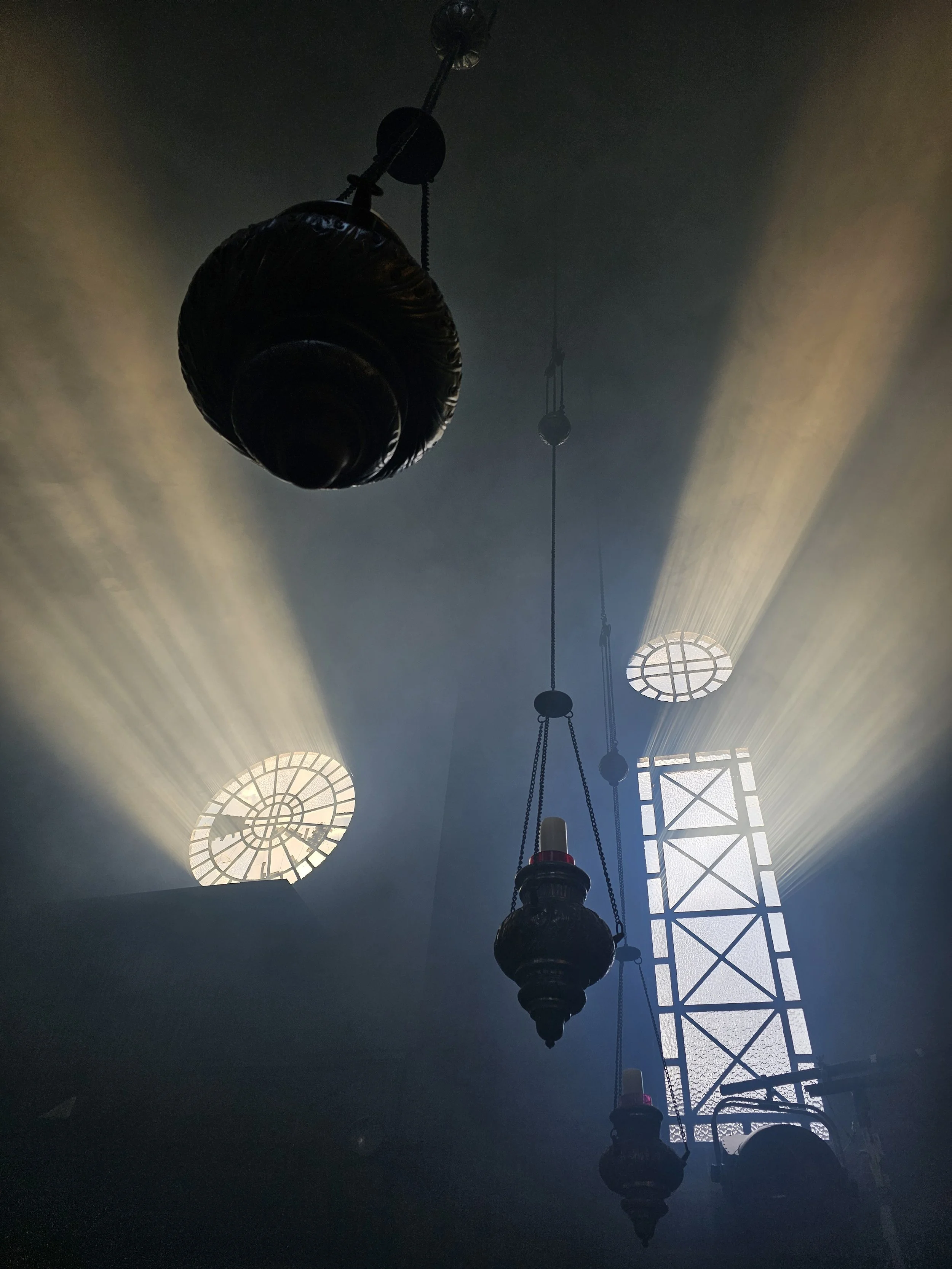
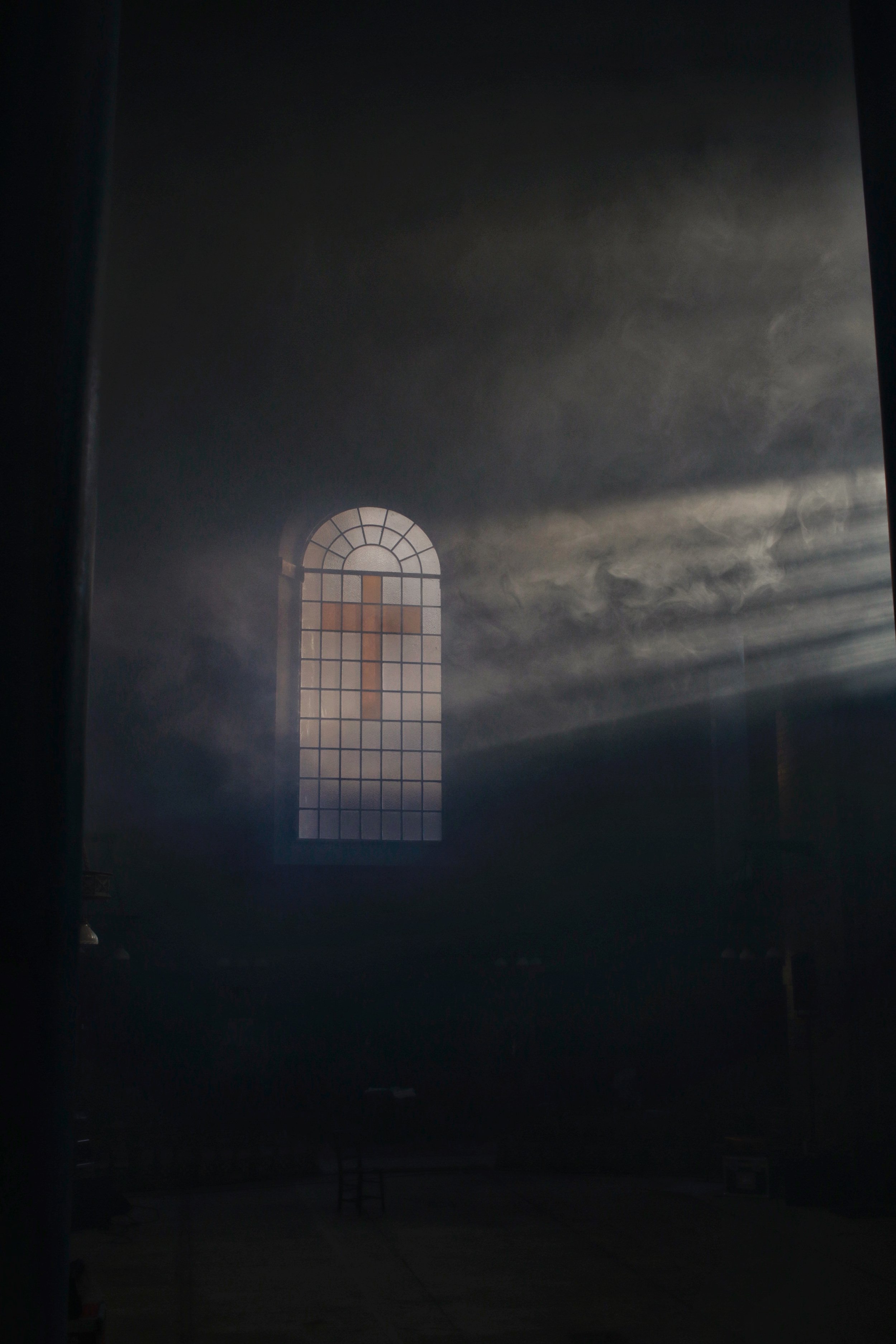
On Day 2 of The Judgement Hall Festival he will present his acclaimed album ‘Quiet Pieces’ inside the Neo-Byzantine Chamber of St Barnabas Church, as the closing chapter to a evening of site-specific performance art.
Extract of a performance at Tusk Festival
Curator’s Notes
Abul Mogard was chosen to close The Judgement Hall at St Barnabas because his work is built for spaces that can hold resonance, duration, and quiet detail without distraction. Quiet Pieces in particular is structured around slow development and finely controlled texture—music that doesn’t “perform at” a room so much as let the room become part of the listening.
What makes Quiet Pieces especially suited to St Barnabas is the way it was made: unfinished sketches returned to and completed over time, then re-shaped through the presence of older recorded material—classical 78s drawn from his late uncle’s collection. The result is a record that feels assembled from fragments into a single, continuous environment—restrained on the surface, but carrying a strong internal charge.
St Barnabas is not a neutral venue. Its acoustics exaggerate the consequences of small changes: a harmonic shift, a fade, a held tone. Mogard’s writing is attentive to exactly those thresholds. Several reviews describe Quiet Pieces in terms of abstract art—fields of tone and colour, slow gradients, and the emotional weight of subtle variation. That language matches how we curate The Judgement Hall: not towards impact as spectacle, but towards works that can sustain attention and reward close listening.
Closing the St Barnabas phase of the festival with Abul Mogard is therefore deliberate. It leaves the audience not with a finale, but with a recalibration—an ending defined by control, clarity, and the particular kind of intensity that only becomes audible when a room and a work are precisely matched.