NYX
NYX
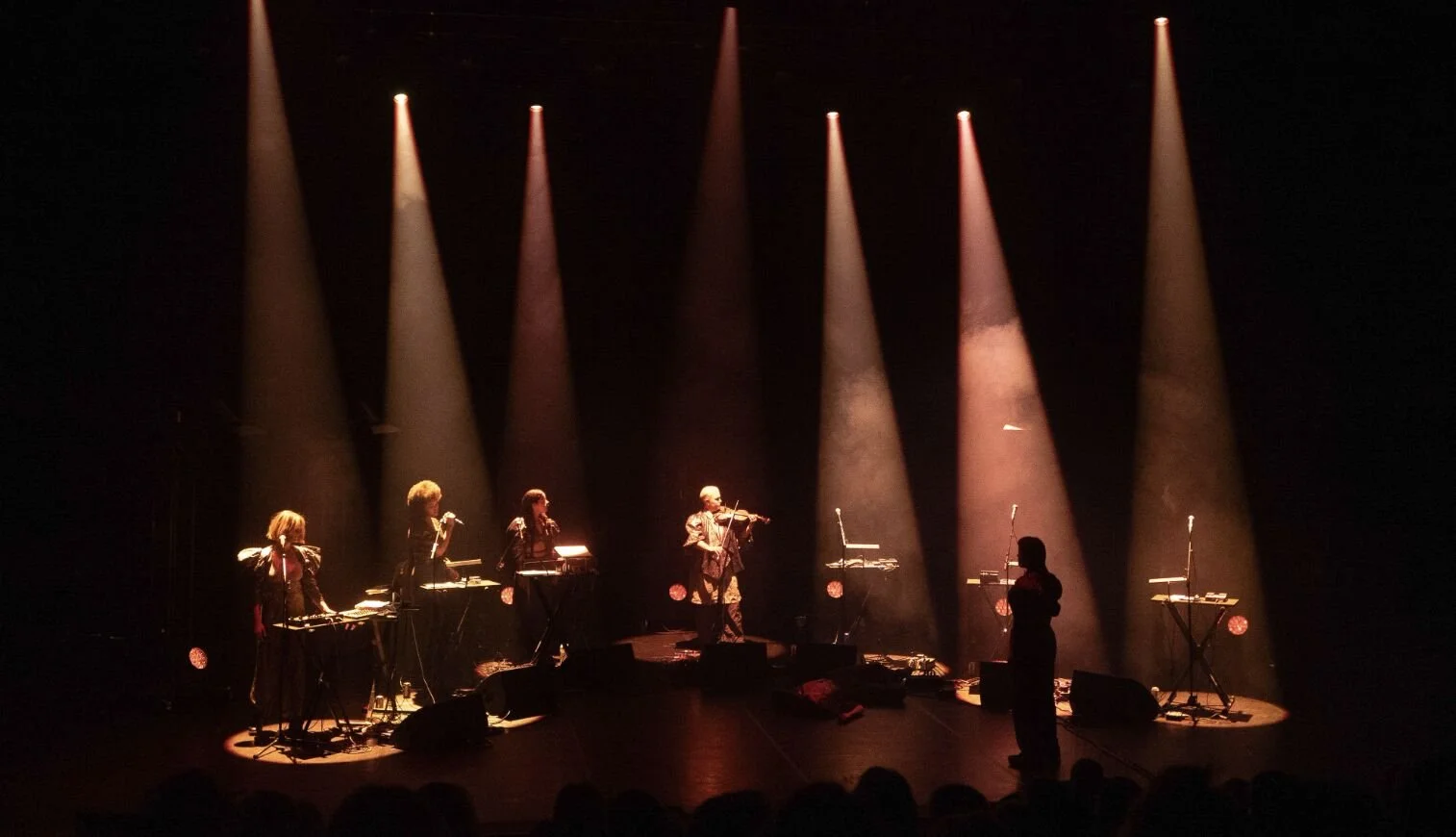
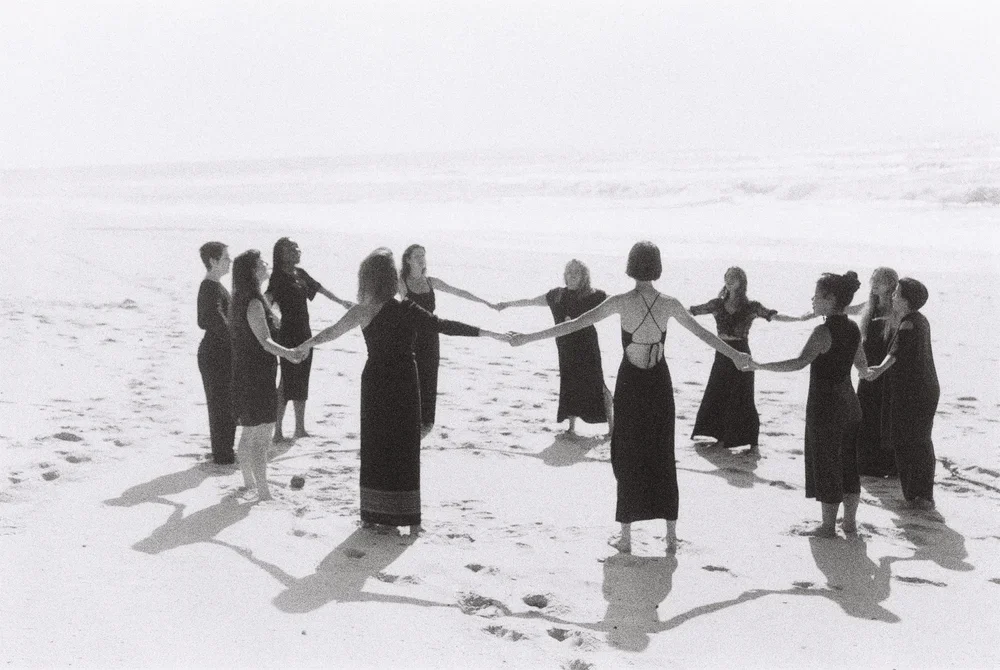
NYX is a self-managed collective of experimental vocalists and electronic artists led by composer Sian O’Gorman and producer Philippa Neels. Drawing from opera, choral music, sound design, visual arts and electronics, they explore new sonic frontiers through composition and improvisation.
They’ve performed at London Design Festival, Pompidou, Rewire, Queen Elizabeth Hall, Roundhouse and Dark Mofo. Their 2020 album Deep England (with Gazelle Twin) was among The Guardian’s top ten contemporary albums; they won Film London’s Breakthrough Talent Award (2021), contributed to the Diablo IV soundtrack, and scored the BBC/Bad Wolf drama Dope Girls (2025).
Focusing on care, connection and collaboration, NYX creates immersive sonic landscapes—from grief to ecstatic joy—blending ritual intensity, playful exploration, psychoacoustics, somatic practice and experimental sound design.
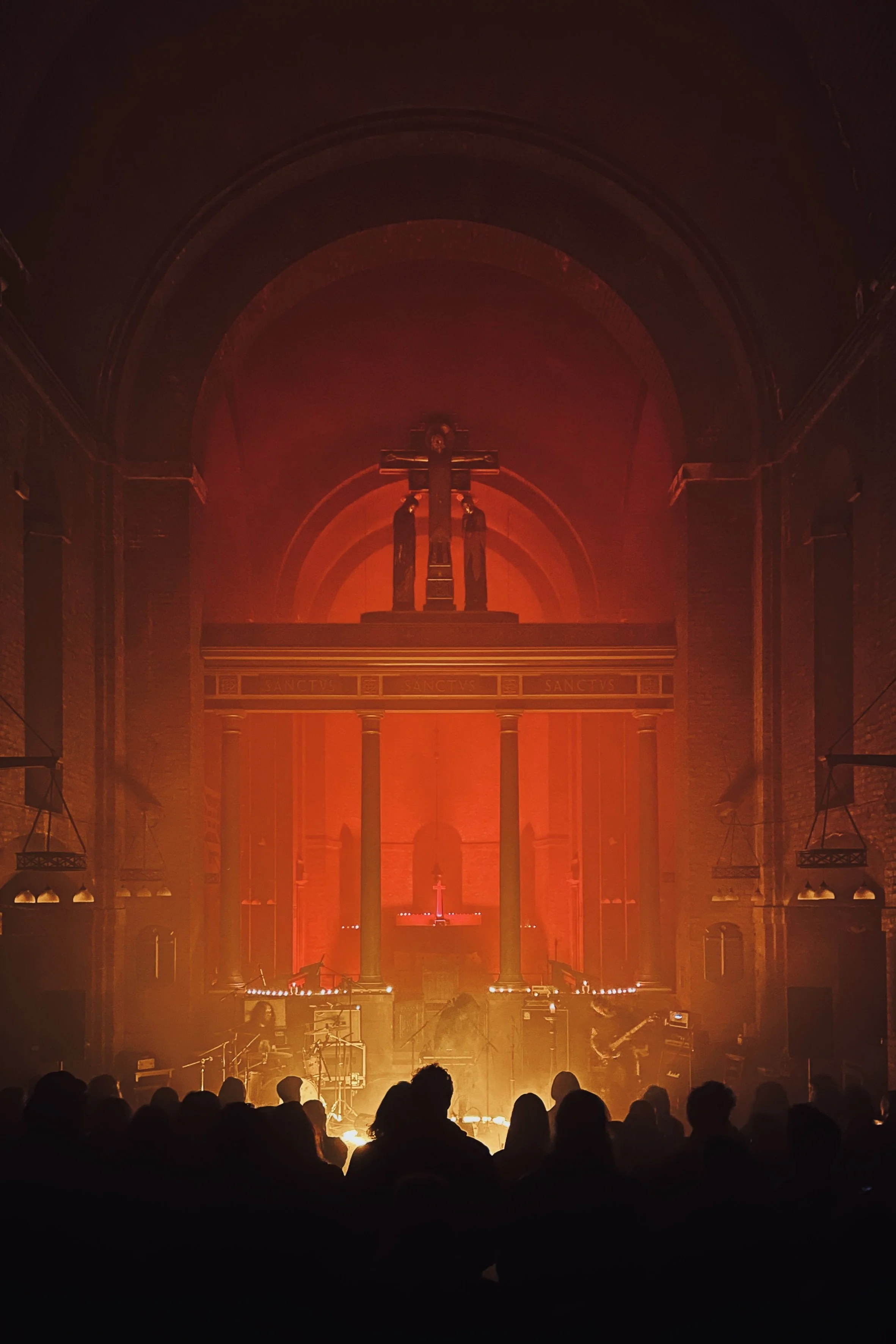
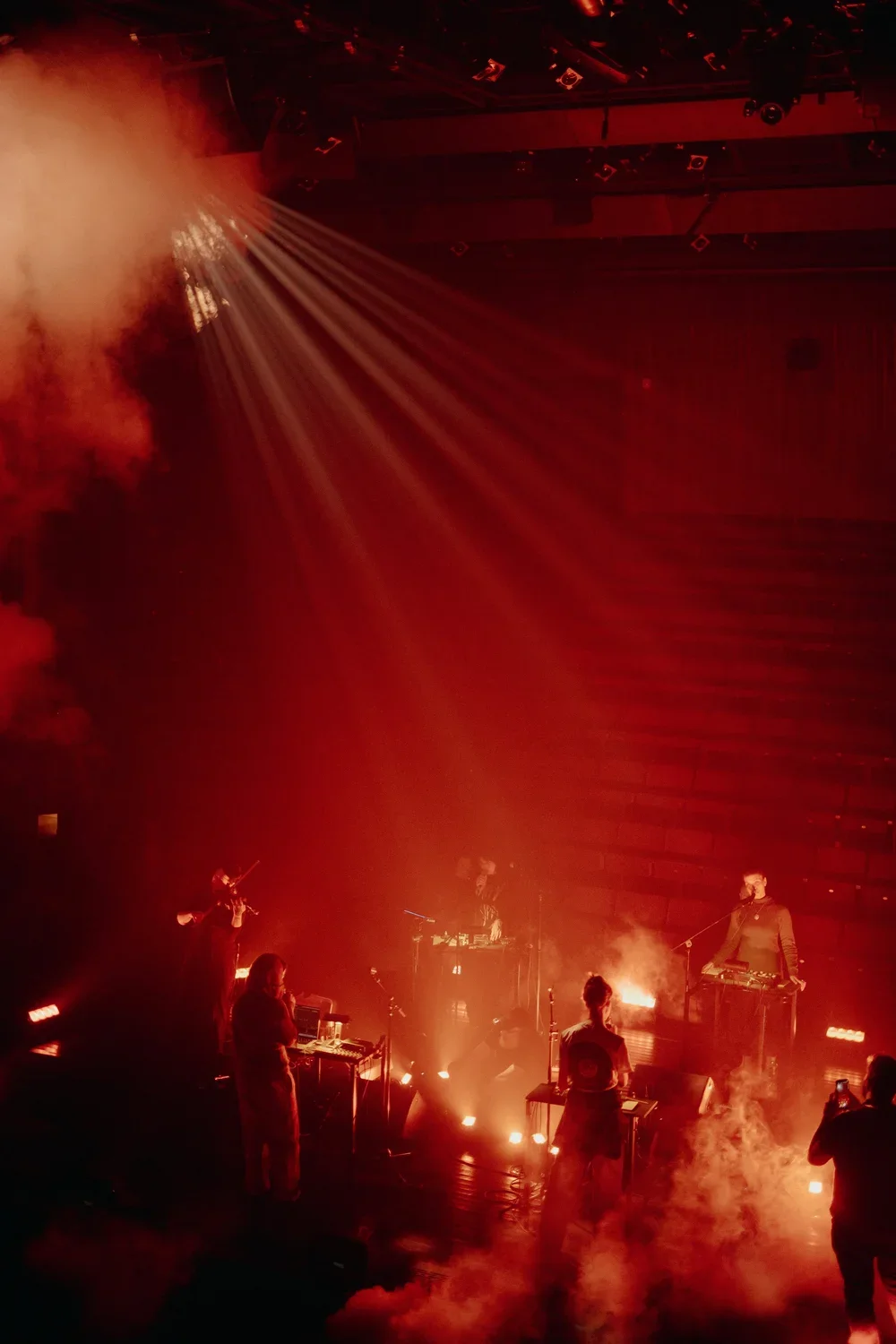
The Judgement Hall Festival sees them perform a site-specific show inside the Neo-Byzantine Chamber of St Barnabas Church.
Curator’s Notes
In selecting NYX for The Judgement Hall, the focus was on work that situates voice as a physical and structural force— not merely as ornament or expression, but as something that can define and occupy sound space in its own right.
The album NYX exemplifies this orientation. Across the record, layered vocals are not just harmonies accompanying electronics; they are active agents shaping the sonic field. The group’s combination of choral technique and electronic processing results in sound that feels inherently spatial and continuously evolving — qualities that respond powerfully to architectural contexts such as St Barnabas.
Rather than working within fixed song forms, NYX’s material moves through timbral exploration, collective vocal texture, and carefully designed electronic colour. This focus on texture, duration, and layered vocal presence parallels The Judgement Hall’s curatorial interest in works where sound is inseparable from space, architecture, and attention.
Moreover, NYX represents the collective at a point of expanded maturity: a project that synthesises years of live performance practice, compositional exploration, and collaboration with producers attuned to sound structure. The album’s sonic landscape — one that marries the ancient register of the human voice with contemporary electronic language — offers a bridge between raw physicality and refined compositional thought.
Inviting NYX to perform as part of the festival aligns with a central curatorial aim: to foreground sound practices that demand immersion, that resist simple categorisation, and that make architecture and listening co-equal partners in the experience. Their work resonates through space not as decoration, but as material — a reason why NYX occupies a core place in this year’s curated programme.